An Unfinished Quilt
Today I visited the American Museum & Gardens in Bath. I had gone in search of inspiration and came home with far more than I expected.
Alongside the museum's permanent quilt collection was a visiting exhibition of hand-stitched quilts made by Black communities in the Deep South. Many of the quilts were simple in construction, made from humble materials and everyday fabrics, yet they carried enormous beauty and meaning.
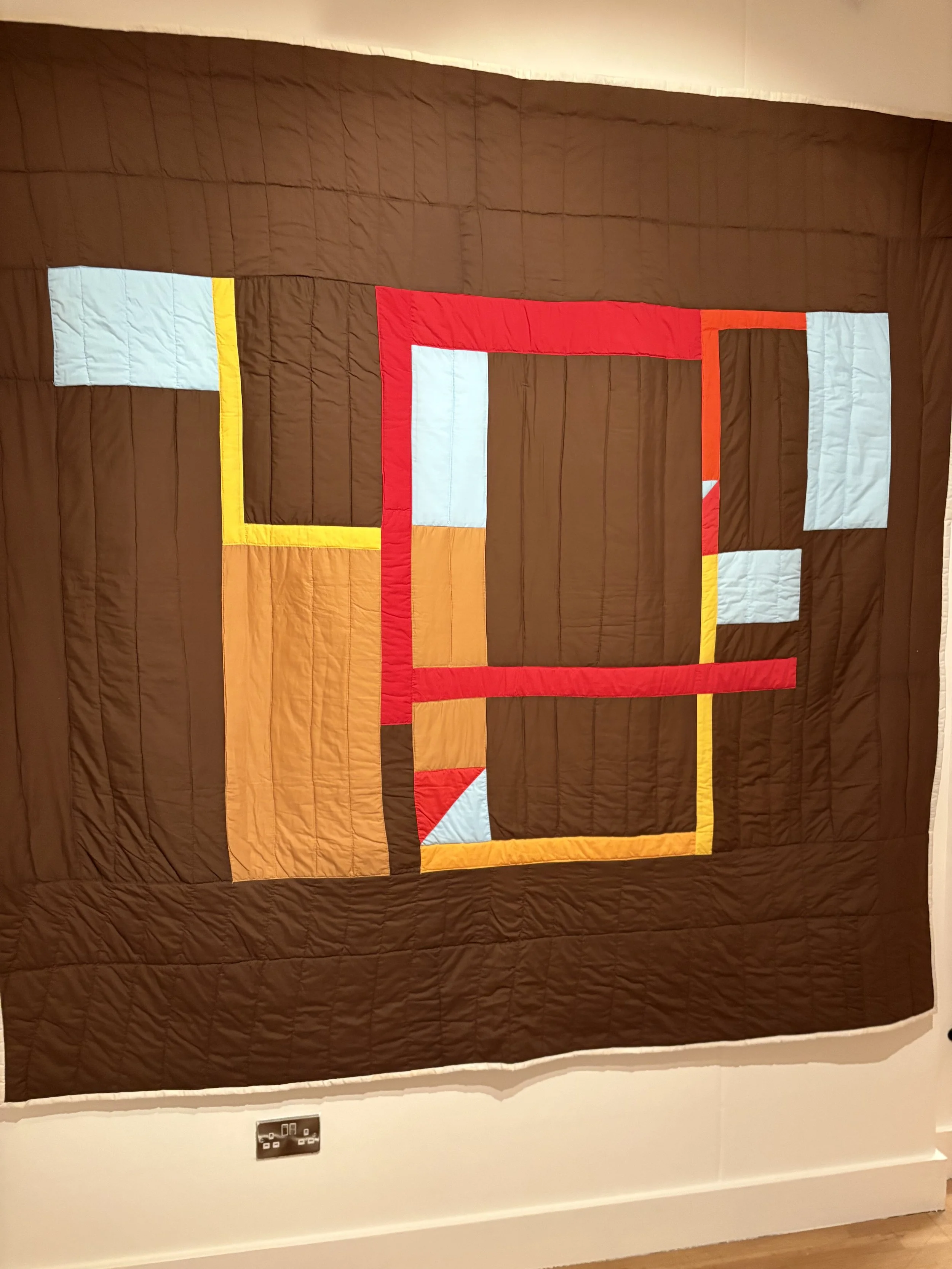
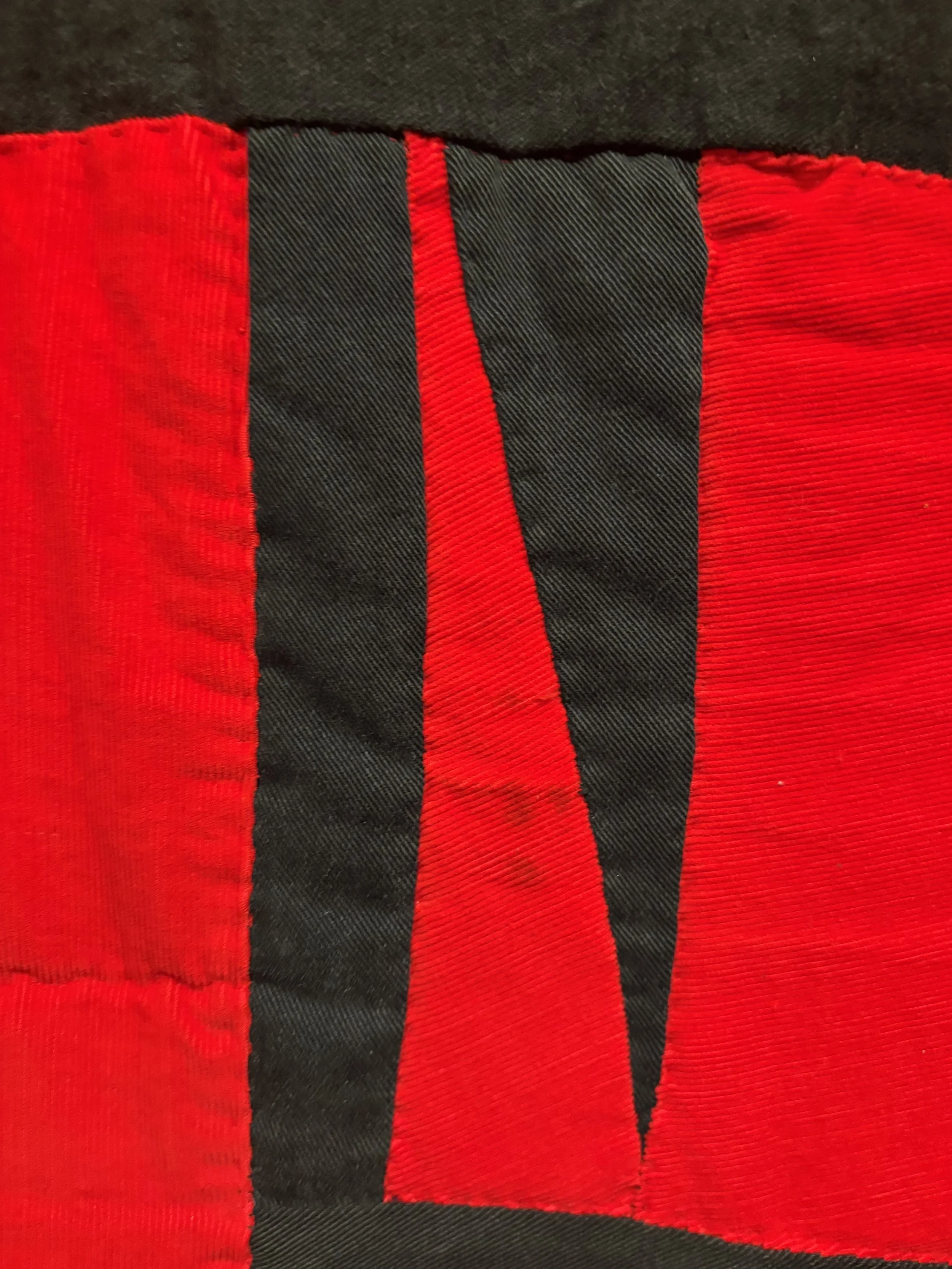
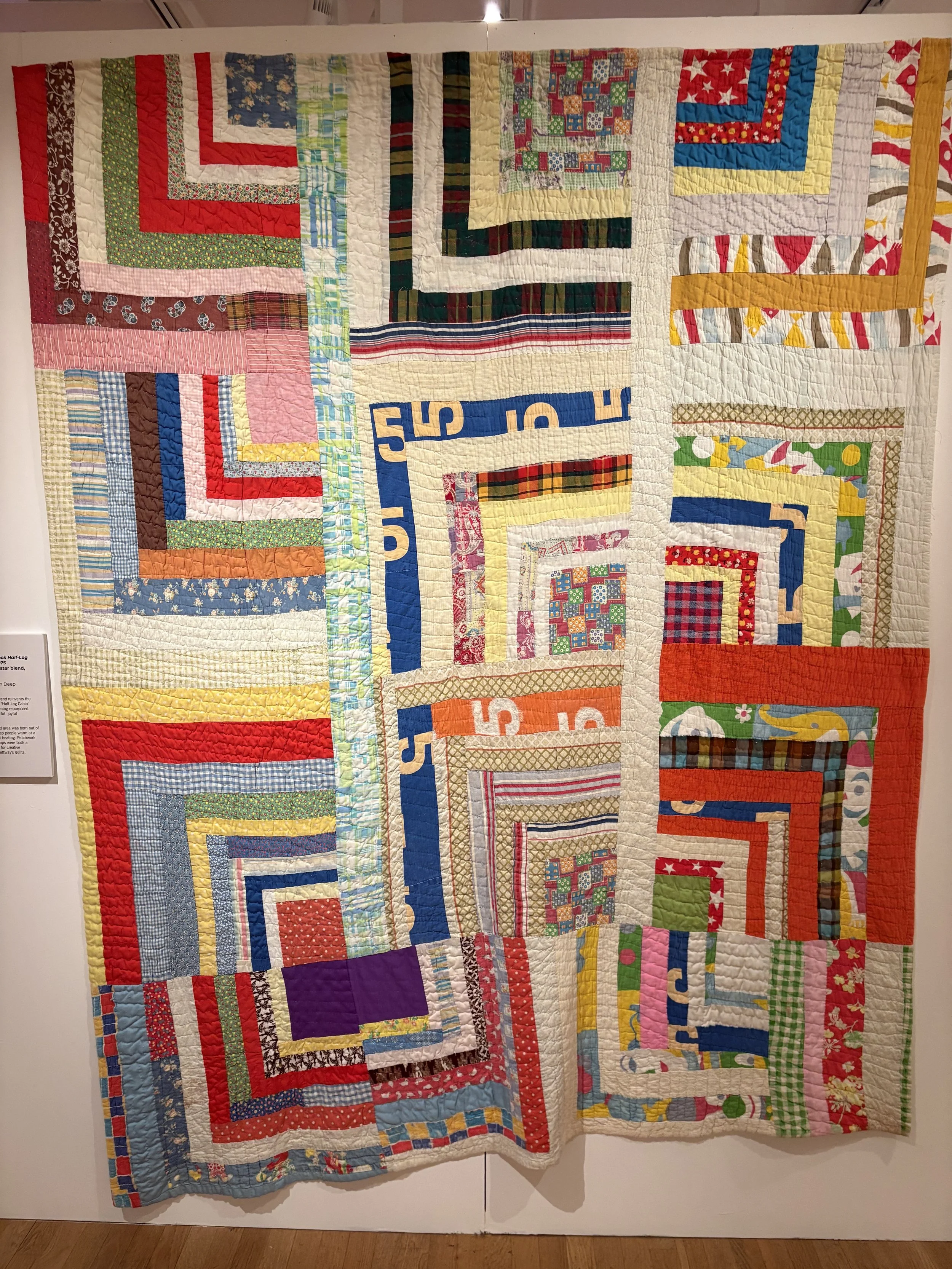
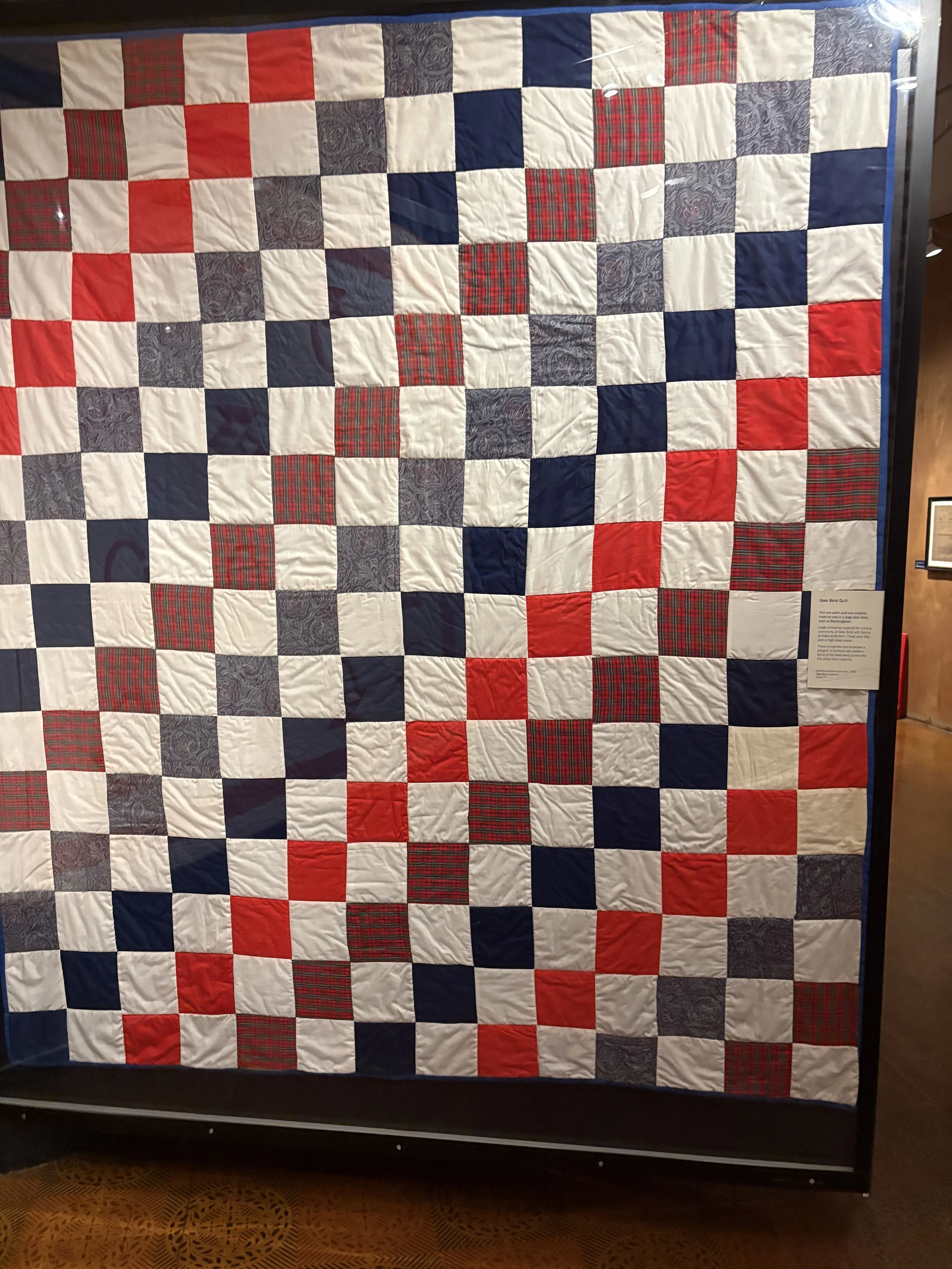
What touched me most was learning that some of the women who made these quilts could never have imagined that their work would one day be exhibited in a museum. These were practical objects, made to be used and loved, and yet they have become recognised as works of art.
The museum itself added to the experience. Quilts were displayed in recreated eighteenth-century rooms, allowing visitors to see them as they might once have been used. Set amongst beautiful gardens and parkland, it was the perfect place to slow down and appreciate the craftsmanship and stories behind each piece.
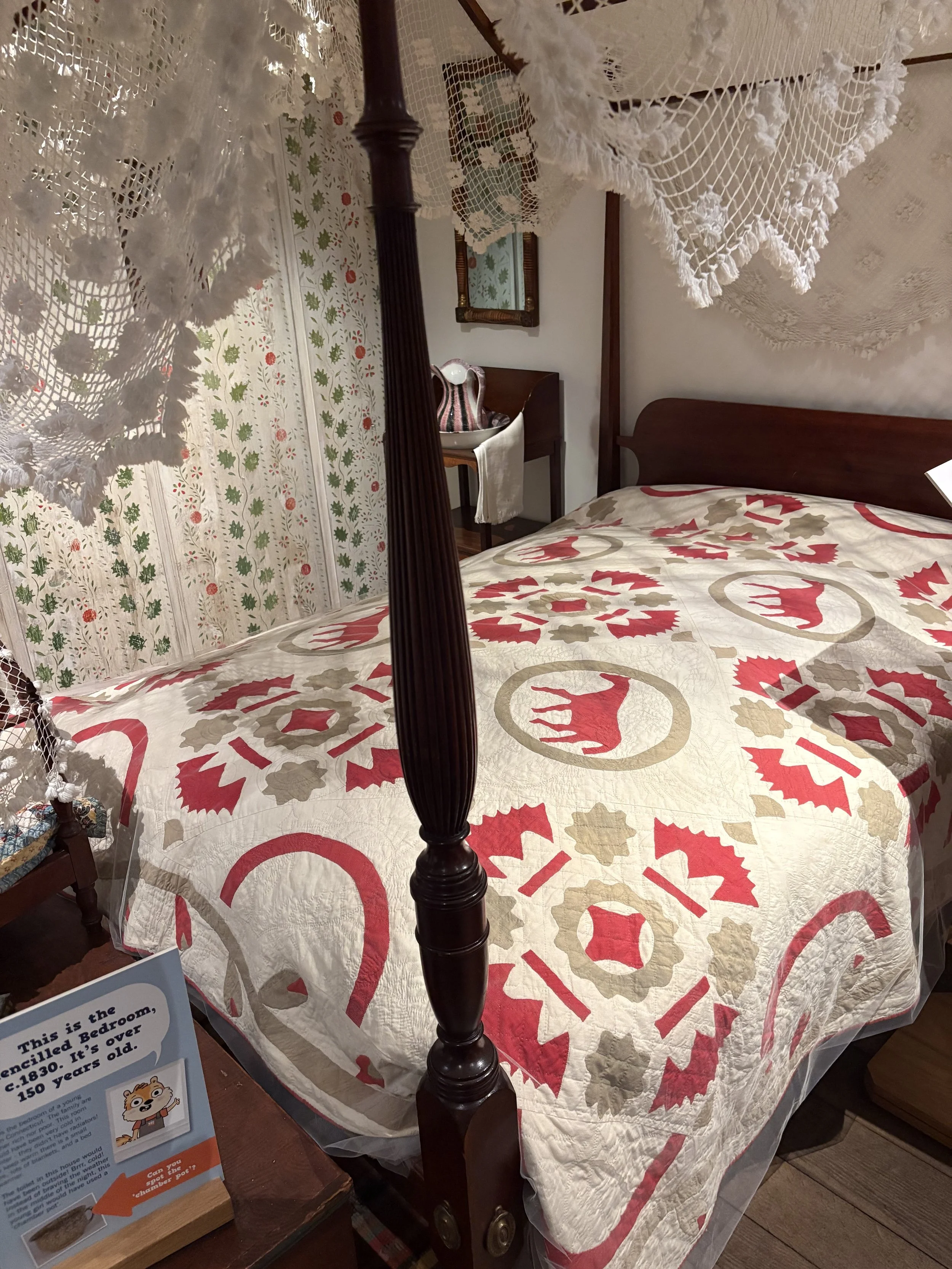
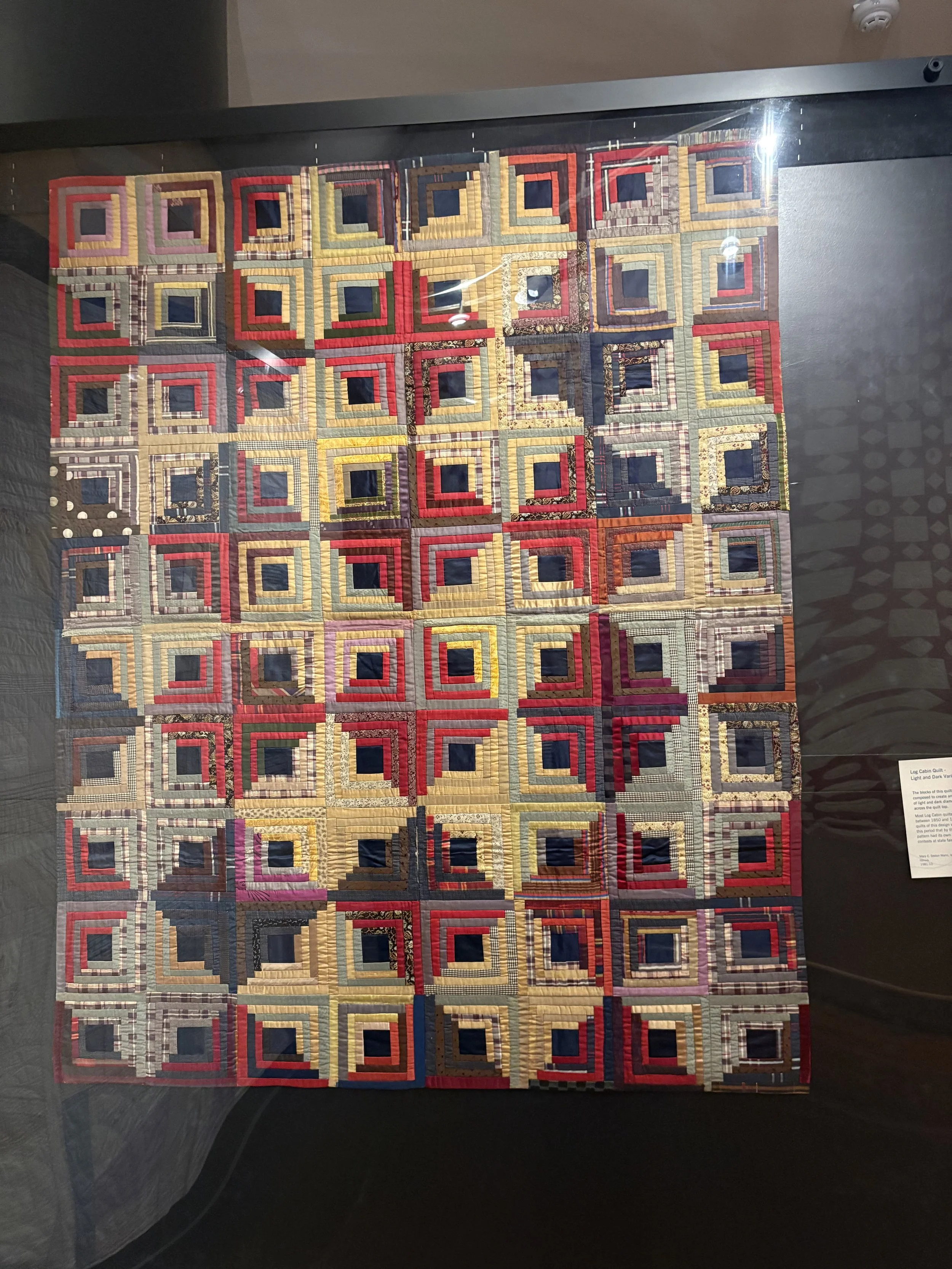
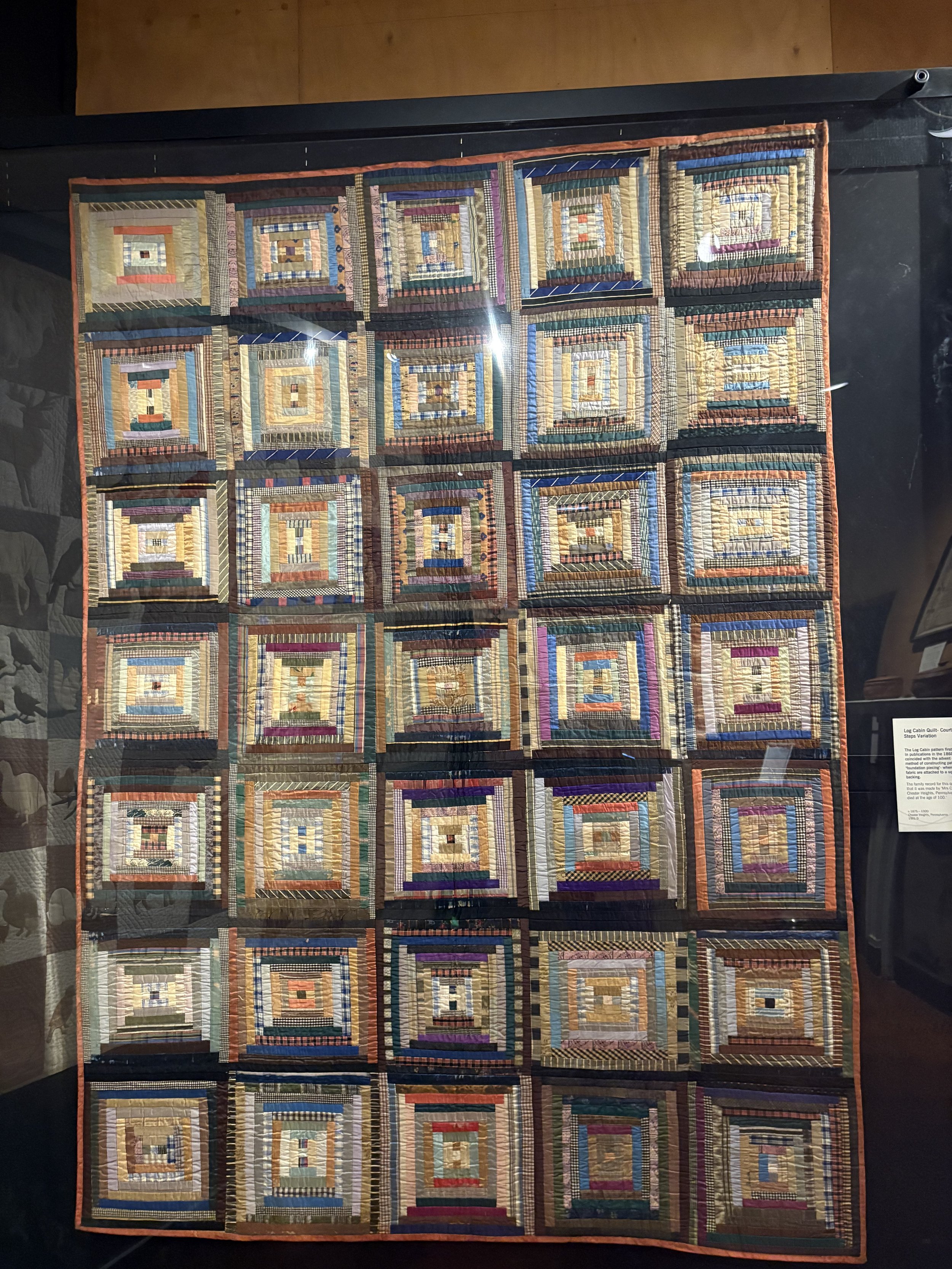
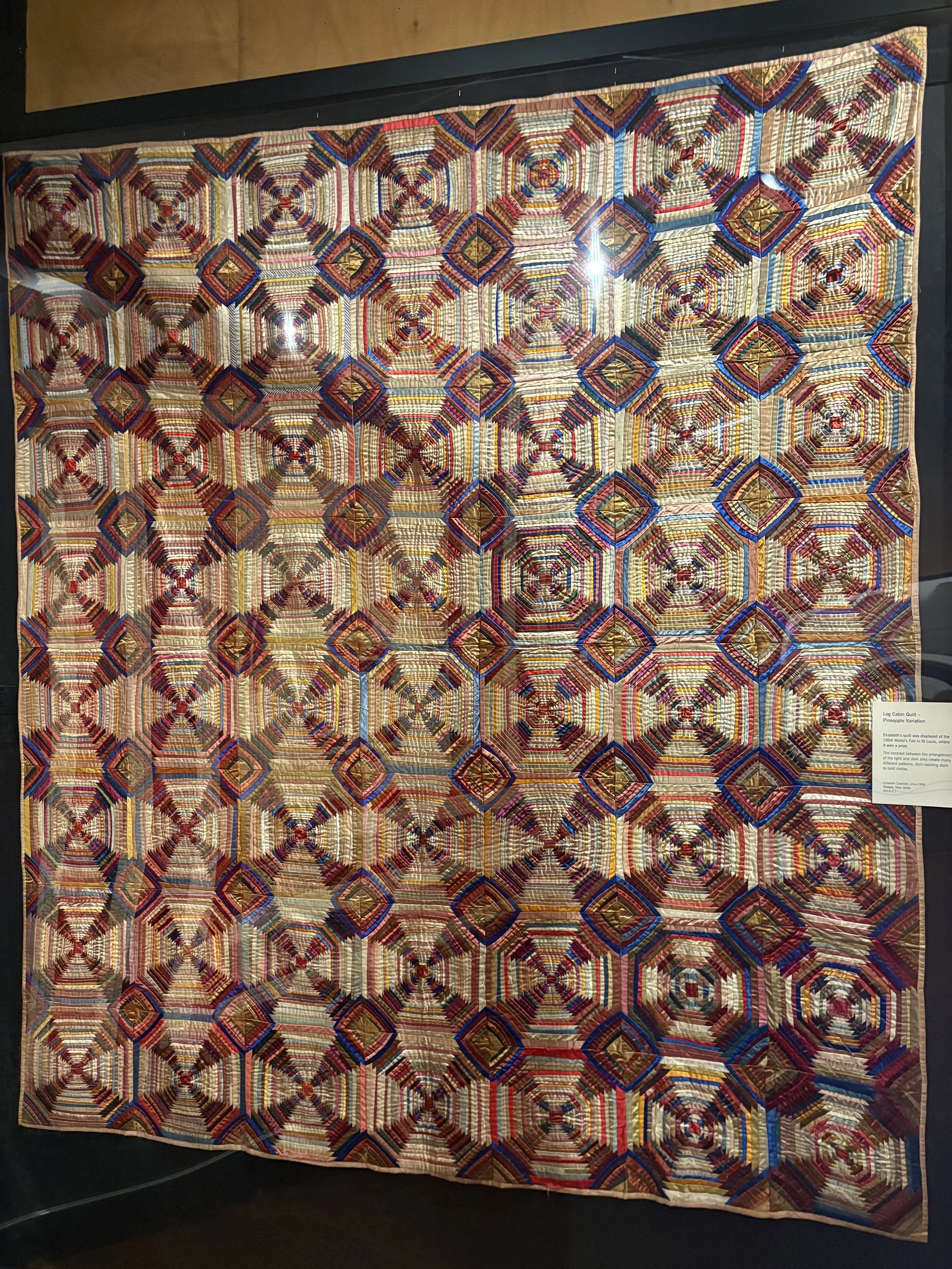
I was particularly drawn to the use of different fabrics. Not everything was made from cotton. There were quilts incorporating denim and corduroy, materials I naturally gravitate towards in my own work. I also found myself admiring traditional designs such as the Drunkard's Path and the Dresden Plate, patterns that have stood the test of time and still feel fresh and relevant today.
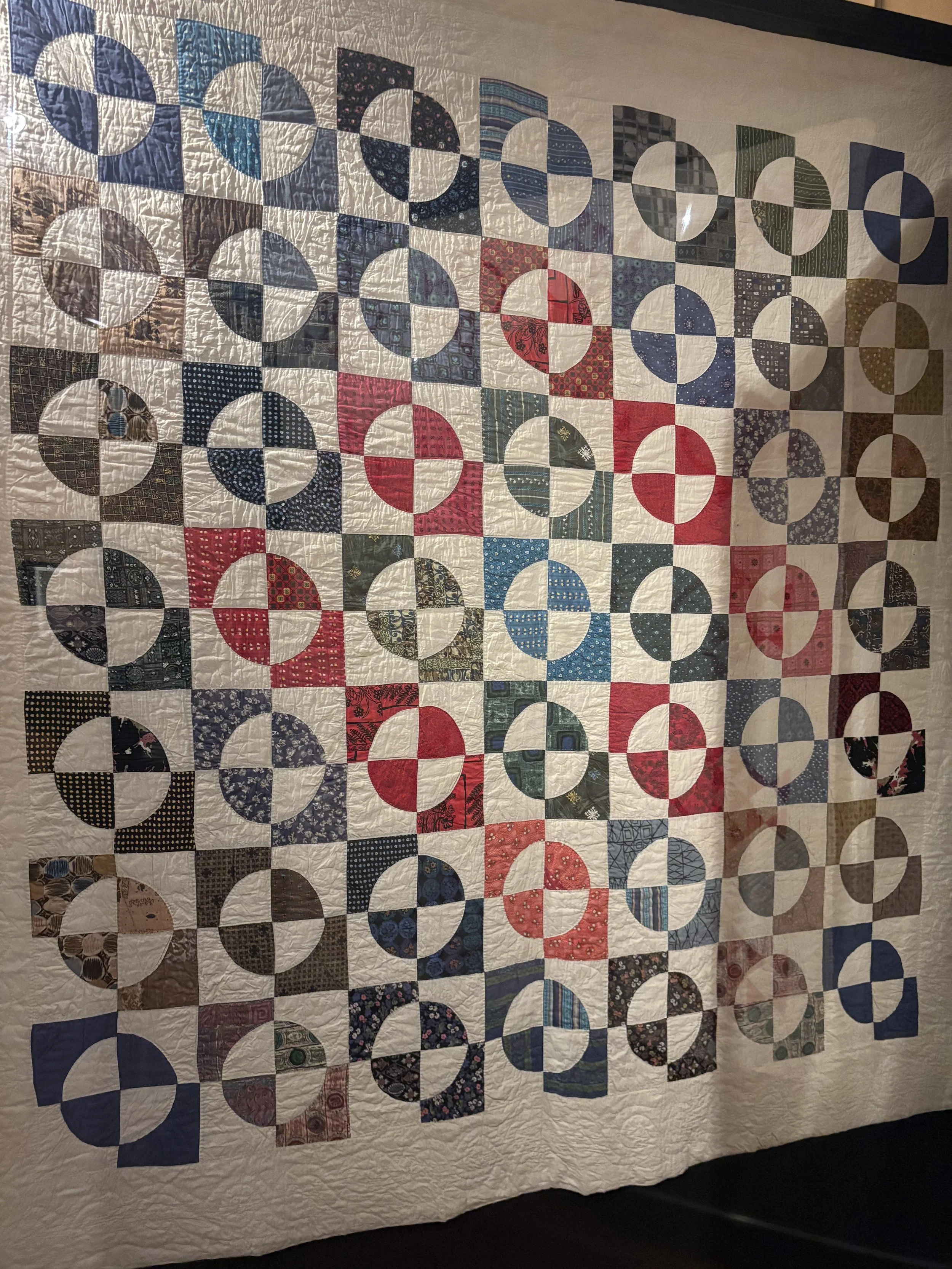
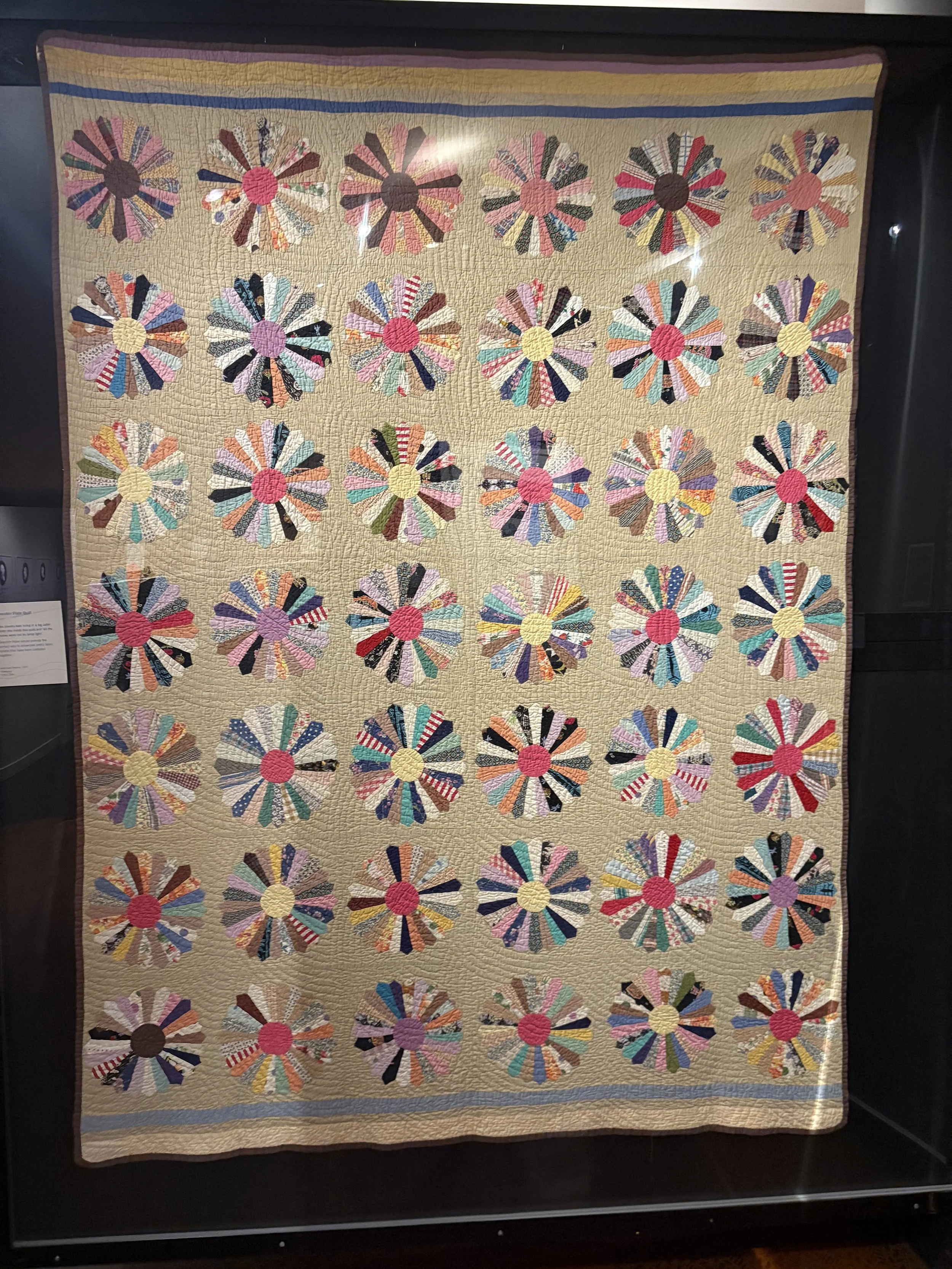
Perhaps the greatest gift of the day was a reminder that quilts do not have to be complicated to be beautiful.
Over the last year, much of my creative energy has gone into launching Brighton Stitch and making bags and pouches from repurposed fabrics. Meanwhile, a king-size quilt that taught me many techniques sits about three-quarters finished.
Seeing these quilts has inspired me to return to it.
Not because it needs to be perfect. Not because there is a deadline.
Simply because some projects deserve to be finished.
And perhaps that is one of the quiet lessons quilts teach us. Piece by piece, stitch by stitch, progress is enough.
The quilt has waited patiently.
Now it's time to pick up the needle again.
